Nenhum resultado de conteúdo corresponde à sua palavra-chave.
Resultados

Encerrou sessão com sucesso.


Ainda não está registrado?
Oncologia
Erro de medicação é definido como qualquer evento evitável que possa causar ou levar ao uso inadequado de medicamentos ou danos ao paciente enquanto o medicamento estiver sob o controle do profissional de saúde, paciente ou consumidor.1 Os erros de medicação podem ser classificados considerando os tipos de erros que ocorrem, tais como paciente, dose, velocidade de infusão, via de administração ou medicamento errados. Erros de medicação podem ocorrer em qualquer fase do processo de administração de medicamentos, desde a prescrição até a administração do medicamento, e em qualquer local onde os medicamentos sejam administrados.2 Erros podem ocorrer com qualquer medicamento; no entanto, a quimioterapia apresenta riscos únicos devido aos índices terapêuticos restritos, à potencial toxicidade mesmo em doses terapêuticas, aos regimes complexos e à vulnerabilidade da população de pacientes com câncer.3

“Errar pode fazer parte da natureza humana, mas também faz parte da natureza humana criar soluções, encontrar alternativas melhores e enfrentar os desafios que se apresentam.”
Estudos anteriores sugeriram que os erros de medicação representam uma porcentagem significativa, se não a maioria, tanto do total de erros médicos quanto dos acidentes médicos que resultam em mortalidade. Assim, os erros de medicação são um subgrupo importante dos erros médicos devido à sua frequência, possibilidade de danos significativos ao paciente e potencial de prevenção.3 Um estudo revelou que os agentes antineoplásicos foram a segunda causa mais comum de erros fatais de medicação.4 e os medicamentos antineoplásicos demonstraram ser a classe de medicamentos mais comumente associada a erros de medicação, logo após os medicamentos anti-infecciosos.5
39% envolveram sobredosagem e subdosagem, 21% envolveram erros de programação e tempo, 18% envolveram medicamentos errados e 14% envolveram quimioterapia administrada ao paciente errado. Erros menos comuns incluíram erros na taxa de infusão, omissão de medicamentos ou hidratação e preparação inadequada de medicamentos. Dez por cento desses erros exigiram intervenção médica e internações hospitalares prolongadas.6
0%
envolveram sobredosagem e subdosagem
0%
envolveram erros de programação e tempo
0%
envolveram medicamentos errados
0%
envolveram quimioterapia administrada ao paciente errado
De modo geral, erros na dosagem de medicamentos podem ocorrer em todas as etapas do processo de tratamento. Durante um período de 2 anos (2003-2004), Ford3 realizou um estudo prospectivo sobre erros de medicação na ala de oncologia de um grande hospital comunitário. Eles identificaram 141 erros no total, dos quais 38 foram classificados como “dose incorreta”. Desses, um ocorreu durante o pedido/transcrição, 20 durante a dispersão e 17 durante a aplicação. Outros 18 erros foram “medicação não administrada”.
Em Adelaide (Austrália), durante um período de seis meses em 2014 e 2015, 10 pacientes com câncer receberam doses inadequadas do medicamento Citarabina.4, 7
Com o Controle remoto OncoSafety®, o tratamento oncológico e a administração da quimioterapia são gerenciados, controlados e documentados digitalmente. Isso reduz os riscos para pacientes com câncer e ajuda os enfermeiros oncológicos a evitar erros nas etapas de prescrição, preparação ou administração de citostáticos.
OncoSafety Remote Control®
0%
foram infundidos muito lentamente
0%
foram infundidos muito rapidamente
0%
foram administrados corretamente na taxa prescrita
26% foram administrados corretamente na taxa prescrita
A maioria dos regimes de quimioterapia é administrada por via intravenosa, ou seja, diretamente no sistema venoso. O acesso venoso periférico pode ser adequado, no entanto, dada a alta toxicidade dos medicamentos, o acesso venoso central é geralmente preferível.
Uma menina de 6 anos recebeu medicação intratecal durante seu tratamento ambulatorial. Três dias depois, ela deu entrada no pronto-socorro com dores no pescoço e nas pernas....9
Alguns dos regimes de quimioterapia requerem outras vias de acesso do paciente, tais como acesso intra-arterial para perfusão isolada de órgãos (p. ex., para metástases hepáticas) ou aplicações intratecais (no canal espinhal, através de uma injeção lombar).
A Citarabina (Ara-C) pode ser usada por via intratecal para meningite carcinomatosa causada por linfoma ou leucemia, e o metotrexato pode ser administrado por via intratecal para meningite carcinomatosa causada por câncer de mama e brônquios.10
Por exemplo, um paciente com linfoma não Hodgkin altamente maligno com meningite cancerosa normalmente receberia 2 mg de vincristina por via intravenosa mais 10-15 mg de metotrexato por via intratecal.
Alguns tipos de câncer podem causar metástases nas meninges, chamadas de meningite carcinomatosa. Ocorre frequentemente em pacientes com leucemia ou linfoma, mas também em câncer de mama e câncer brônquico ou melanoma maligno.
Pacientes com tumores sólidos e meningite carcinomatosa têm um prognóstico ruim. Sem tratamento, o tempo médio de sobrevida é, na maioria dos casos, de apenas algumas semanas.
A vincristina é um agente antineoplásico alcalóide vinca destinado apenas a uso intravenoso. A vincristina nunca deve ser administrada por via subcutânea, intramuscular ou intratecal, pois isso resulta em necrose.9 A administração acidental de vincristina por via espinhal (intratecalmente por punção lombar ou intraventricularmente por reservatório de Ommaya) causa rápida disfunção sensorial e motora, geralmente seguida de encefalopatia, coma e morte.11 Portanto, é necessário garantir que, na quimioterapia combinada, cada medicamento seja administrado na porta de acesso correta do paciente.
Os erros na via de administração, dos quais a administração intratecal de vincristina é um exemplo (existem muitos outros exemplos, como a administração intravenosa de penicilina benzatina, uma formulação galênica de depósito para uso intramuscular), representam 5% dos erros de medicação.
Os riscos específicos da administração inadequada do sulfato de vincristina foram claramente reconhecidos desde as primeiras experiências na década de 1960.13 No entanto, desde então, são conhecidos 58 casos de erros com vincristina intratecal, que foram analisados de forma intensiva.12,9 Desses casos com administração intratecal inadvertida de vincristina, apenas oito pacientes sobreviveram, a maioria deles paralisados.14 Foram publicados relatos de casos específicos.9, 14, 15
Medidas de segurança utilizadas para impedir que determinados medicamentos sejam administrados por via intratecal 16
A maioria dos hospitais tem regras rígidas para impedir a administração de vincristina e outros alcalóides vinca no líquido cefalorraquidiano. As regras do Great Ormond Street Hospital for Children, em Londres, por exemplo, estabelecem que:
O conector Luer universal foi identificado como um elemento-chave nos erros de medicação por “via incorreta”. Os conectores Luer são amplamente utilizados para a administração de infusões. A literatura mostra que qualquer paciente com múltiplos sistemas de acesso instalados está exposto a riscos mais elevados de conexões incorretas.17
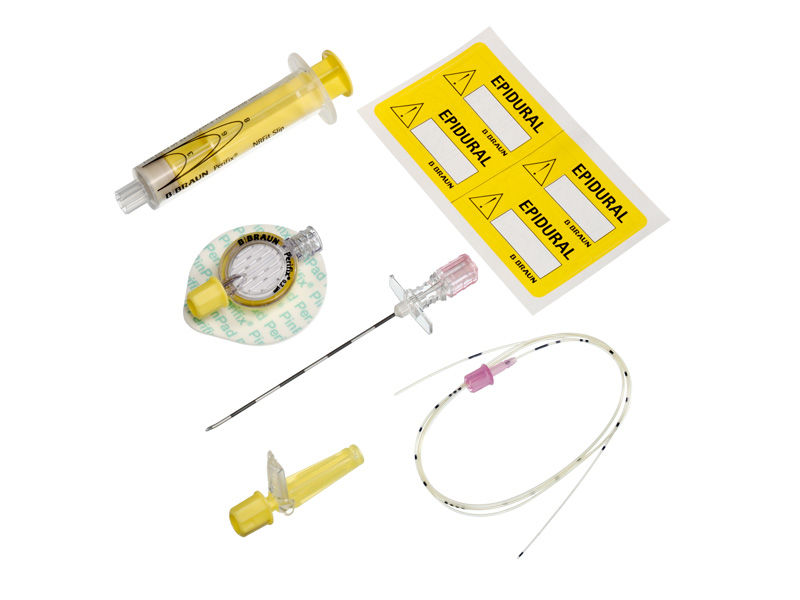
Para reduzir o risco de erros de medicação por via errada, a Organização Internacional de Normalização (ISO) desenvolveu normas para conectores de pequeno calibre, uma delas na área da anestesia neuroaxial e regional (ISO 80369-6). Os dispositivos que cumprem a norma ISO 80369-6 são denominados NRFit®. Eles têm um diâmetro 20% menor em comparação com os conectores Luer e vêm com uma codificação de cor amarela.18
Os erros também são dispendiosos em termos de custos de oportunidade. O dinheiro gasto na repetição de exames diagnósticos ou no tratamento de efeitos adversos de medicamentos é dinheiro que não está disponível para outros fins. Os compradores e os pacientes pagam pelos erros quando os custos dos seguros e as coparticipações são inflacionados por serviços que não teriam sido necessários se os cuidados adequados tivessem sido prestados. É impossível para a nação obter o máximo valor possível dos bilhões de dólares gastos com cuidados médicos se esses cuidados contiverem erros.
Mas nem todos os custos podem ser medidos diretamente. Os erros também são dispendiosos em termos de perda de confiança no sistema por parte dos pacientes e diminuição da satisfação tanto dos pacientes quanto dos profissionais de saúde. Os pacientes que passam por uma internação hospitalar mais longa ou ficam incapacitados como resultado de erros pagam com desconforto físico e psicológico. Os profissionais de saúde pagam com perda de moral e frustração por não poderem prestar os melhores cuidados possíveis e a sociedade, em geral, paga em termos de perda de produtividade dos profissionais, redução da frequência escolar das crianças e níveis mais baixos de saúde da população.19
| Internações hospitalares | 62,248 € |
| Medicamentos adicionais | 23,658 € |
| Custo anual total | 92,248 € |
“Primum nil nocere. ”
“Errar pode fazer parte da natureza humana, mas também faz parte da natureza humana criar soluções, encontrar alternativas melhores e enfrentar os desafios que se apresentam”. Em sua publicação histórica de 1999, Kohn e seus colegas do Instituto de Medicina (IOM) convocaram todo o setor de saúde à ação.19 O painel do IOM convocou para uma transformação na forma como os profissionais de saúde entendem os erros médicos, aplicando princípios da psicologia cognitiva e de fatores humanos, o estudo do desempenho humano em ambientes de trabalho. Melhorias na aviação e em outros setores voltados para a segurança, como engenharia química, manufatura e energia nuclear, mostraram que sistemas complexos, e não profissionais individuais, eram as principais fontes de erros e alvos para oportunidades de melhoria por meio da simplificação, padronização e tecnologia.21,30
No mesmo ano, esse modelo foi chamado de “Modelo de Queijo Suíço”, em referência às múltiplas camadas de proteção de segurança para evitar que erros (buracos no queijo) cheguem ao paciente.22,29 Este modelo tem sido a base conceitual para o desenvolvimento de Sistemas de Relatos de Incidentes Críticos para a comunicação e aprendizagem a partir de incidentes críticos e quase acidentes.

A Sociedade Americana de Farmacêuticos Hospitalares (ASHP) desenvolveu, consequentemente, uma diretriz sobre Prevenção de Erros de Medicação com Quimioterapia e Bioterapia em 2002, que foi recentemente atualizada.20A diretriz compreende recomendações para organizações de saúde, para monitoramento multidisciplinar do uso e verificação de medicamentos, para sistemas de prescrição e prescritores, para sistemas de preparação e dispensação de medicamentos e funções dos farmacêuticos, para sistemas de administração de medicamentos e funções dos enfermeiros, para educação do paciente, para fabricantes e agências regulatórias, e recomendações para identificar e gerenciar erros de medicação.
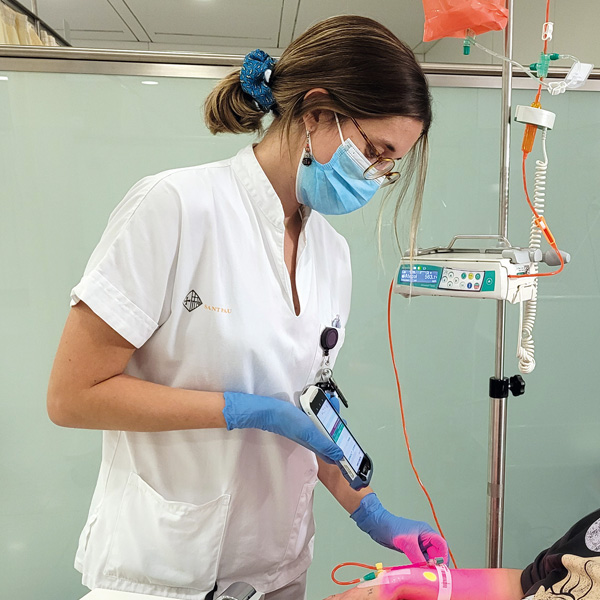
Técnicas de administração incorretas podem abranger vários aspectos da infusão. Um exemplo é discutido a seguir:
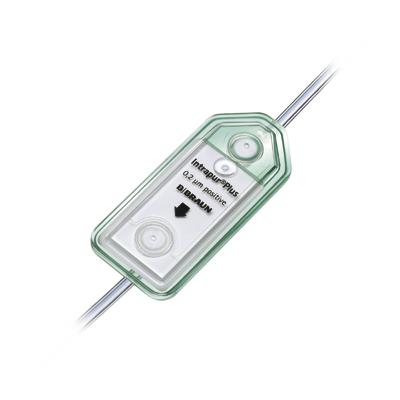
„O paclitaxel é um medicamento quimioterápico frequentemente utilizado no câncer de mama, ovário e brônquios. É provável que o medicamento forme microbolhas e partículas. Os fornecedores recomendam que um filtro IV em linha seja usado durante a infusão do agente (RCM do Paclitaxel). Não utilizar o filtro em linha pode resultar na infusão de partículas no paciente. 37.“
As partículas resultantes da terapia de infusão podem induzir ou agravar síndromes de resposta inflamatória. Foi demonstrado que eles geram trombose, prejudicam a microcirculação e modulam a resposta imunológica. As fontes das partículas incluem componentes dos sistemas de infusão, reconstituição incompleta das soluções ou reações de incompatibilidade medicamentosa. Até um milhão de partículas podem ser infundidas por paciente por dia. Os filtros em linha incorporados nas linhas de infusão retêm as partículas e, assim, impedem quase totalmente a sua infusão.41
Outros seriam erros na montagem de certos conjuntos para infusões secundárias com ou sem bombas, dispositivos de acesso Luer deixados acidentalmente abertos após o uso ou ferimentos com agulhas devido à manipulação de agulhas.
Incidentes envolvendo identificação incorreta de pacientes (p.ex., erros de “paciente errado”) não são incomuns na prática oncológica. Muitos desses incidentes são situações de quase acidente ou risco iminente que são evitadas em algum momento antes de atingirem o paciente. A identificação incorreta de pacientes é subnotificada e sua incidência é desconhecida.38
Uma enfermeira pediu à Sra. Jackson para voltar à sala de tratamento do consultório de um oncologista para fazer quimioterapia....41
Em 2002, a Comissão Conjunta criou seu programa Nacional de Objetivos de Segurança do Paciente. A prioridade número 1: melhorar a precisão da identificação dos pacientes. Para atingir esse objetivo, os profissionais de saúde utilizam pelo menos dois identificadores do paciente — geralmente, nome e data de nascimento. A Sociedade Americana de Oncologia Clínica (ASCO) e a Sociedade de Enfermagem Oncológica colaboraram para criar normas de segurança na administração de quimioterapia, com o objetivo de reduzir o risco de erros na administração de quimioterapia a pacientes adultos e fornecer uma estrutura para as melhores práticas no tratamento do câncer.39, 35
Em resumo:42
Tópicos relacionados
No results for. Try a different keyword.
1. National Coordinating Council for Medical Error Reporting and Prevention (NCCMERP): What is a Medication Error. available at: https://www.nccmerp.org/about-medication-errors; accessed 02-23-2023.
2. The Boston Globe, 2004
3. Ford et al (2006): Study of Medication Errors on a Community Hospital Oncology Ward. Journal of Oncology Practice, 2006, 2 (4), 149-154. available at: https://ascopubs.org/doi/full/10.1200/jop.2006.2.4.149; accessed 02-23-2023.
4. ABC. (2015): South Australian Government launches inquiry over chemotherapy drug-dosing bungle. [online] available at: http://www.abc.net.au/news/2015-08-05/sa-government-launches-inquiry-over-chemotherapy- ungle/6673890; accessed 02-23-2023.
5. Lustig A. (2000): Medication error prevention by pharmacists – an Israeli solution. Pharmacy World and Science. 2000, 22 (1), 21–25.
6. Schulmeister L. (1999): Chemotherapy medication errors: descriptions, severity, and contributing factors. Oncol Nurs Forum. 1999; 26(6):1033-42.
7. MacIennan, L. (2016): Chemotherapy bungle at Adelaide hospitals due to clinical failures, SA Health Minister says. [online] available at: http://www.abc.net.au/news/2016-02-09/chemotherapy-bungle-at-adelaide-hospitals-under-review/7153168 accessed: 02-23-2023
8. Rooker JC, Gorard DA (2007): Errors of intravenous fluid infusion rates in medical inpatients. Clin Med. 2007;7: 482–5. available at: https://pdfs.semanticscholar.org/ec0d/acd06790eef073fb64a0678b74ca065e0516.pdf; accessed: 02-23-2023.
9. Hennipmann B. et al (2009): Intrathecal Vincristine. 3 Fatal Cases and a Review of the Literature. Journal Pediatric Hematol Oncol. 2009, 31 (11), 816-819.
10. Schulmeister L. (2006): Look-alike, sound-alike oncology medications. Clin J Oncol Nurs 2006, 10(1):35-41.
11. Bates DW et al (1995): Relationship between medication errors and adverse drug events. J Gen Intern Med 1995;10 (4):199-205
12. Noble D. (2010): The quest to eliminate intrathecal vinchristine errors: a 40-year journey. BMJ Quality & Safety 2010, 19, 323-326.
13. Toft B (2001): External Inquiry into the adverse incident that occurred at Queen’s Medical Centre, Nottingham, 4th January 2001, [online]. Available at: https://webarchive.nationalarchives.gov.uk/ukgwa/20080728185547/http://www.dh.gov.uk/en/Publications accessed: 02-23-2023
14. Arzneimittelkommission der deutschen Ärzteschaft (2005): Vincristin: Toedliche Zwischenfaelle nach versehentlicher intrathekaler Gabe. Deutsches Aerzteblatt 2005, 102,1615.
15. Dyer c (2001): Doctors suspended after injecting wrong drug into spine. BMJ 2001, 322 (7281). 257.
16. Kress R. et al. (2016): Unintentional Infusion of Phenylephrine into the Epidural Space. A&A Case Rep. 2016, 6(5),124-7.
17. International Organization for Standardization (2016): Small bore connectors for liquids and gases in healthcare applications -- Part 6: Connectors for neuraxial applications. [online] available at: https://www.iso.org/standard/50734.html accessed: 02-23-2023
18. Institute for Safe Medication Practices (2014): ISMP List of High-Alert Medications in Acute Care Settings [online] available at: https://www.ismp.org/sites/default/files/attachments/2018-01/highalertmedications%281%29.pdf accessed 06-07-2019
19. Ranchon et al. (2011): Chemotherapeutic errors in hospitalised cancer patients: attributable damage and extra costs. BMC Cancer 2011, 11:478.
20. Sasse M. et al. (2015): In-line Filtration Decreases Systemic Inflammatory Response Syndrome, Renal and Hematologic Dysfunction in Pediatric Cardiac Intensive Care Patients. Pediatric Cardiology 2015, 36 (6),1270–1278.
21. Reason, James (2000-). Human error: models and management. BMJ, 320 (7237): 768–770.
22. Weingart SN (2018): Chemotherapy medication errors. Lancet Oncol 2018, 19 (4), 191–99.
23. Parshuram CS, To T, Seto W, Trope A, Koren G, Laupacis A (2008) Systematic evaluation of errors occurring during the preparation of intravenous medication. CMAJ; 178(1): 42-8.
24. Cousins DH, Sabatier B, Begue D, Schmitt C, Hoppe-Tichy T (2005) Medication errors in intravenous drug preparation and administration: a multicentre audit in the UK, Germany and France. Qual Saf Health Care; 14(3): 190-5.
25. Taxis K, Barber N,(2003) Etnographic study of incidence and serverity of intravenoius drug errors. BMJ 326:684
26. Dehmel C, Braune S, Keymann G, Baehr M, Langebrake C, Hilgarth H, Nierhaus A, Dartsch D, Kluge S (2011) Do centrallly pre-pared solutions achieve more reliable drug concentrations than solutions prepared on the ward? Intensive Care Med 2010-00231. R3 in press.
27. Tissot E. Cornette C, Limat S, Maourand J, Becker M, Etievent J et al. (2003) Observational study of potential risk factors of medication administration errors. J Qual Improve 25(6):264-68
28. Vogel Kahmann I, Bürki R et al. (2003) Incompatibility reactions in the intensive care unit. Five years after implementation of a simple "color code system". Anasthesist 52(5):409-12
29. Valentin A, Capuzzo M, Guidet B, Moreno R, Metnitz B, Bauer P et al. (2009). Errors in adminstration of parental drugs in intensive care units: multinational prospective study. BMJ 338:b814. doi:10.1136/bmj.b814
30. Langebrake C, Hilgarth H (2010) Clinical pharmacists' interventions in a German University Hospital. Pharm World Svi 32(2):194-99
31. Taxis K (2005) Who is responsible for the safety of infusion devices? It's high time for action! QSHC 14(2):76
32. Rothschild JM, Keohane CA, Thompson S, Bates DW (2003) Intelligent Intravenous Infusion Pumps to improve Medication Administration Safety. AMIA Symposium Proceedings, p.992
33. Trissel LA (2011). Handbook on Injectable Drugs. 16th ed. Bethesda: American Society of Pharmacist.
34. Brigss J (2005) Strategies to reduce medication errors with reference to older adults. Best practice 9(4):1-6
35. Irajpour A, Farzi S, Saghaei M, Ravaghi H. Effect of interprofessional education of medication safety program on the medication error of physicians and nurses in the intensive care units. J Educ Health Promot. 2019 Oct 24;8:196.
36. Kane-Gill SL, Jacobi J, Rothschild JM (2010) Adverse drug events in intensive care units: Risk factors, impact and the role of team care. Crit Care Med 38(6): 83-89
37. Etchells E, Juurllink D, Levinson W (2008) Medication Errors: the human factor. CMAJ 178(1):63
38. Huckels-Baumgart S, Baumgart A, Buschmann U, Schüpfer G, Manser T. Separate Medication Preparation Rooms Reduce Interruptions and Medication Errors in the Hospital Setting: A Prospective Observational Study. J Patient Saf. 2021 Apr 1;17(3):e161-e168.
39. Smeulers M, Verweij L, Maaskant JM, de Boer M, Krediet CT, Nieveen van Dijkum EJ, Vermeulen H. (2015) Quality indicators for safe medication preparation and administration: a systematic review. PLoS One. 2015 Apr 17;10(4):e0122695. doi: 10.1371
40. Jones JH, Treiber L (2010) When 5 rights Go Wrong. J Nurs Care Qual 25:240-247
41. Schulmeister L (2007): Patient Misidentification in Oncology. Clinical Journal of Oncology Nursing 2007, 12 (3), 495-498. Available at: https://cjon.ons.org/cjon/12/3/patient-misidentification-oncology-care accessed: 02-23-2023
42. Schulmeister L (2002): Searching for Information for Presentations and Publications. Clinical Nurse Specialist, 2002, 16 (2); 79-84
43. Goldspiel B, Hoffman JM, Griffith NL, et al. ASHP guidelines on preventing medication errors with chemotherapy and biotherapy. Am J HealthSyst Pharm. 2015; 72:e6–35