Nenhum resultado de conteúdo corresponde à sua palavra-chave.
Resultados

Encerrou sessão com sucesso.


Ainda não está registrado?
Actreen® e o meio ambiente
Assim como muitos outros produtos médicos, os cateteres só podem ser usados uma vez. Cada paciente precisa utilizar um cateter intermitente aproximadamente cinco vezes ao dia[2,3], o que explica a grande quantidade de cateteres descartados diariamente. O mesmo se aplica à permanência do paciente em suas instalações após a cirurgia ou para reabilitação. Portanto, a quantidade de resíduos impacta tanto os pacientes quanto as próprias instalações. A gestão desse lixo é um desafio para todos nós.
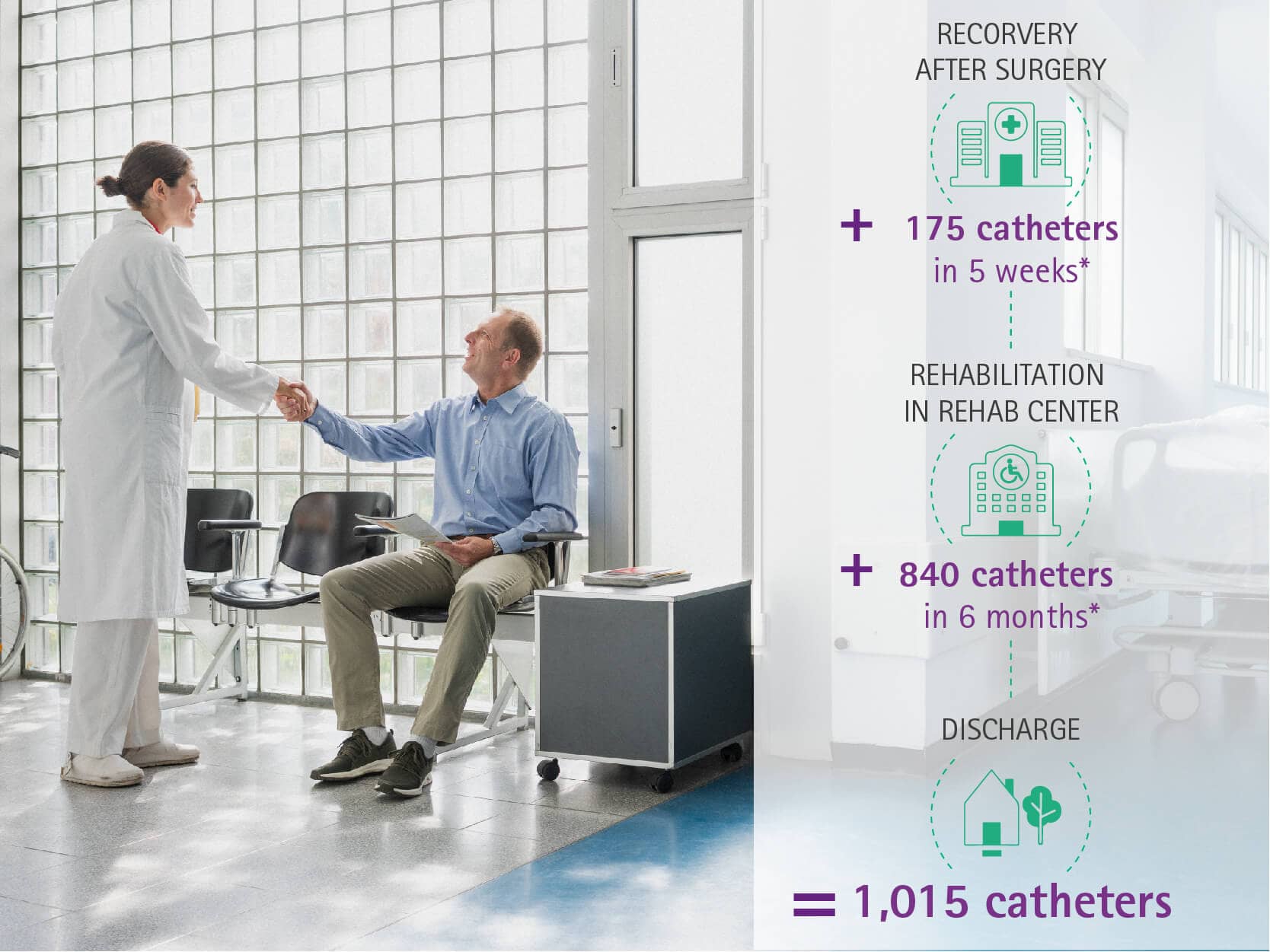 *Primeira parte do exemplo de cálculo do uso intermitente de cateter por um paciente com lesão medular. Base de cálculo: uso médio de 5 cateteres por dia [2,3] base de cálculo simplificada 4 semanas = um mês.
Os plásticos são uma ameaça para os oceanos e para todos os seres vivos.[4] Nunca houve tanto lixo plástico em circulação como hoje em dia.[5] Os oceanos foram particularmente afetados: Pelo menos 8 milhões de toneladas de plástico são despejadas na água todos os anos e causam mais danos aos oceanos.[4,6]

Descubra Actreen®
Actreen® é fabricado em TPO (poliolefina termoplástica), o que torna o produto leve. O TPO não contém plastificantes e, graças a isso e à ausência de PVC (cloreto de polivinila), Actreen® não agride o meio ambiente. Além disso, é necessário 30% menos TPO do que PVC para fabricar o mesmo produto. Isso levou a uma redução no consumo de materiais e nos resíduos ao usar um produto de TPO como o Actreen®. Resumindo, Actreen® tem um baixo impacto ambiental em termos de gestão de resíduos em comparação com outros produtos disponíveis no mercado. Além disso, Actreen® é recomendado pela Associação Europeia de Enfermeiros de Urologia em 2024[7].
Ao escolher Actreen®, você oferece uma solução eficaz para seus pacientes e, ao mesmo tempo, contribui para a preservação do meio ambiente.

Actreen® é fácil de usar e confortável para seus pacientes. Não há fase de preparação nem tempo de espera antes da cateterização, além de não haver sujeira nem respingos associados ao lubrificante.
Para que seus pacientes possam se concentrar na reabilitação.

Actreen® oferece vantagens ambientais em comparação com outros produtos, pois é composto por material leve (TPO).
Isso leva a um baixo impacto na gestão de resíduos.

Uma análise dos dados sobre a geração de resíduos hospitalares indica que, em média, são produzidos cerca de 0,5 kg por leito por dia, embora esse valor varie significativamente conforme o contexto local e as diferenças regionais. Estima-se que aproximadamente 25% desses resíduos sejam compostos por plástico.
Pode parecer que os cateteres são apenas uma pequena parte desse volume, mas Actreen® pode contribuir para esse ponto, considerando que o material leve oferece uma vantagem ambiental em relação a outros produtos.


Calculadora de resíduos para cateteres intermitentes
Você quer comparar os diferentes cateteres intermitentes no mercado no que diz respeito à gestão de resíduos e ver como Actreen® apoia esse aspecto?
Confira!
Inicie seu cálculoActreen® bolsas discretas
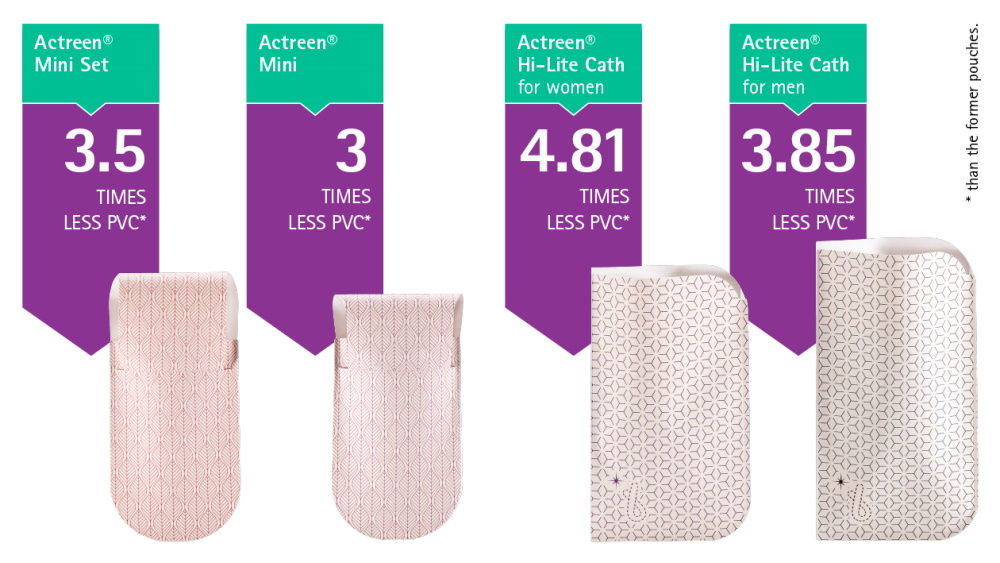
Você quer dar aos seus pacientes o maior alcance possível em termos de ação. É por isso que fornecemos uma bolsa gratuita com cada embalagem de Actreen.®: Seu paciente pode usar isso para transportar os cateteres com ele – em qualquer lugar, a qualquer hora.
As bolsas discretas Actreen® são feitas de papel com um revestimento especial de PVC, projetado para ser utilizado várias vezes em ambientes úmidos. Em comparação com as versões mais antigas disponíveis há alguns anos, o teor de PVC foi reduzido para manter a durabilidade dessas bolsas.
Sua escolha faz a diferença

Então, embora seu foco principal seja ajudar as pessoas, por que não ajudar também de outras maneiras? Sua escolha pode fazer a diferença: Ao recomendar Actreen®, você pode fazer algo positivo pelo meio ambiente e também pelo orçamento da suas instalações.
Se você considerar fatores como o bem-estar dos pacientes, aspectos ecológicos e economia financeira, Actreen® é uma ótima escolha. Agora é hora de agir pelo amanhã!
Escolha Actreen® e reduza o uso de plástico – para o bem dos seus pacientes, das suas instalações e do meio ambiente.
Vamos agir agora pelo amanhã – com Actreen®!
** Please consider your local regulations for recycling.