Encerrou sessão com sucesso.

Entenda o problema

Tratamento da hidrocefalia: necessidade de ação

A hidrocefalia, o acúmulo excessivo de líquido cefalorraquidiano no cérebro, pode afetar todas as faixas etárias.

 Um profissional de saúde consultando os pais enquanto a filha deles está deitada em uma cama de hospital atrás deles
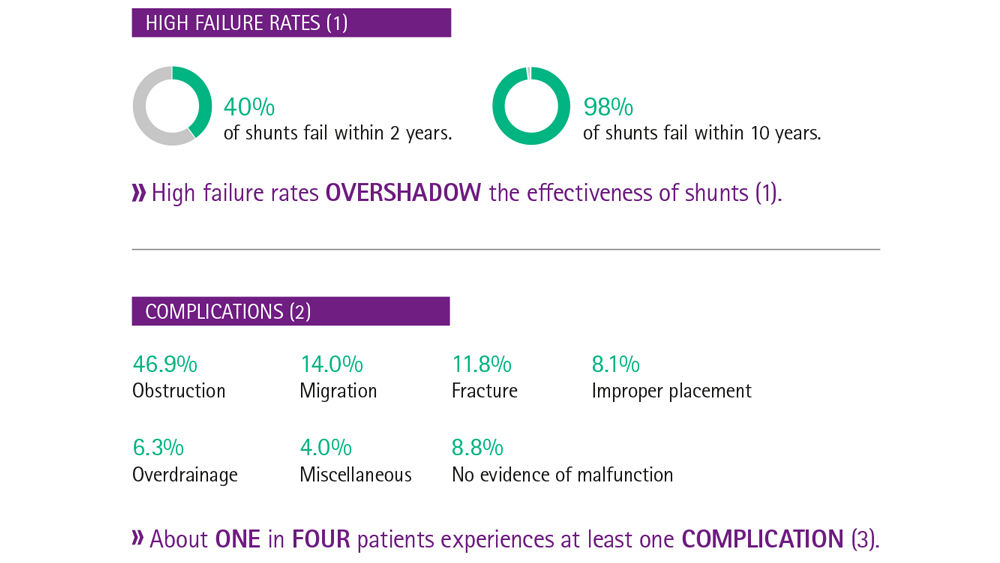
Infográfico sobre derivações para hidrocefalia: altas taxas de falha e complicações
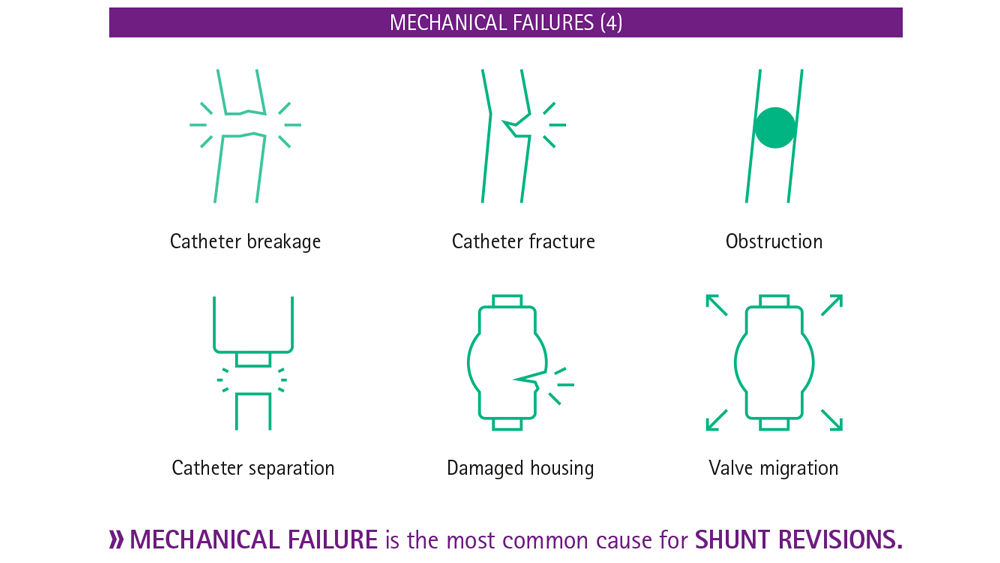
Infográfico sobre falhas mecânicas em derivações para hidrocefalia
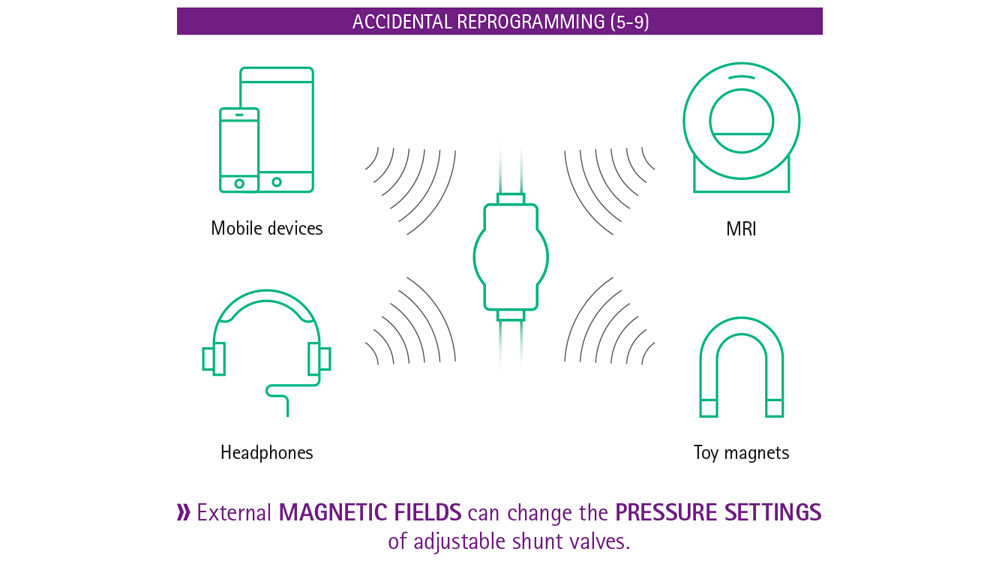
Infográfico sobre derivações para hidrocefalia e reprogramação acidental
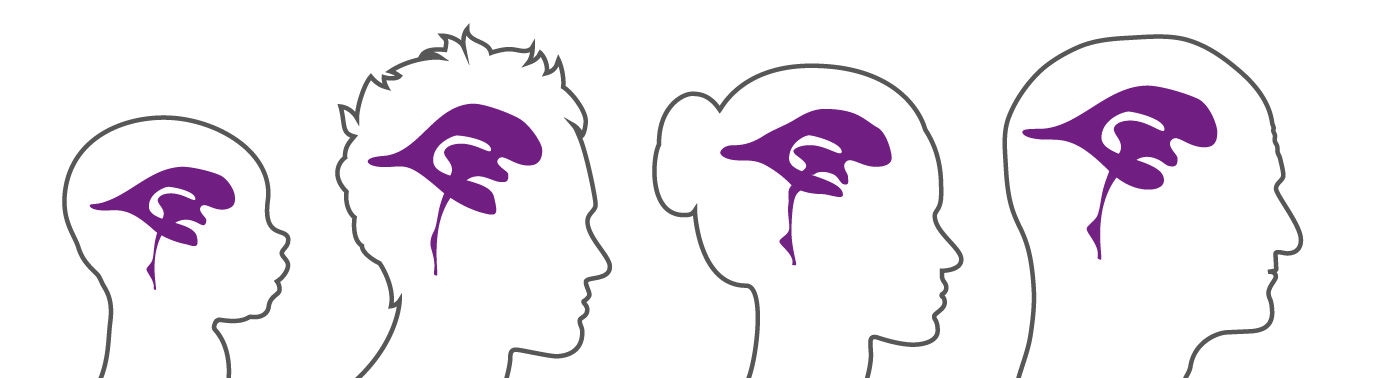
Cabeças M-Blue
Avós com neto aproveitando o tempo juntos no parque
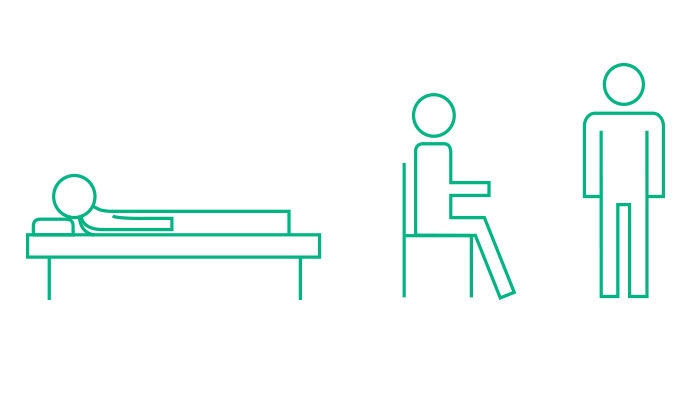
Ícones de pacientes com hidrocefalia deitados, sentados e em pé
Uma criança pequena correndo e sorrindo, com um homem e uma mulher de meia-idade correndo alegremente atrás dela

Válvulas gravitacionais MIETHKE

Saiba mais sobre como superar os desafios das válvulas ajustáveis convencionais com derivações gravitacionais.

Leia mais

Documento relacionado

  • Desafios para o desenvolvimento de derivações para hidrocefalia

    Infográfico

    pdf, 45.4 KB

Entre em contato com nossos especialistas

Thank you very much for your request!

check_circle

Será encaminhado para uma pessoa de contato responsável, que entrará em contato com você o mais rápido possível.

Your request could not be submitted. Please try again.

warning

Referências

  1. Lutz BR, Venkataraman P, Browd SR. New and improved ways to treat hydrocephalus: Pursuit of a smart shunt. Surg Neurol Int 2013;4(Suppl 1):S38-50.
  2. Beuriat PA, Puget S, Cinalli G et al. Hydrocephalus treatment in children: long-term outcome in 975 consecutive patients. J Neurosurg Pediatr 2017 20:10-18
  3. Merkler AE, Ch‘ang J, Parker WE, Murthy SB, Kamel H. The Rate of Complications after Ventriculoperitoneal Shunt Surgery. World Neurosurg 2017 98:654-658
  4. Browd SR., Ragel BT., Gottfried ON. and Kestle JR. Failure of cerebrospinal fluid shunts: part I: Obstruction and mechanical failure. Pediatr Neurol 2006 34(2): 83-92
  5. [Ozturk S, Cakin H, Kurtuldu H, Kocak O, Erol FS, Kaplan M. Smartphones and Programmable Shunts: Are These Indispensable Phones Safe and Smart? World Neurosurg 2017 102:518-525
  6. Spader HS, Ratanaprasatporn L, Morrison JF, Grossberg JA, Cosgrove GR. Programmable shunts and headphones: Are they safe together? J Neurosurg Pediatr 2015 16:402-405
  7. Strahle J, Selzer BJ, Muraszko KM, Garton HJ, Maher CO. Programmable shunt valve affected by exposure to a tablet computer. J Neurosurg Pediatr 2012 10:118-120
  8. Anderson RC, Walker ML, Viner JM, Kestle JR. Adjustment and malfunction of a programmable valve after exposure to toy magnets. Case report. J Neurosurg 2004 101:222-225
  9. Zuzak TJ, Balmer B, Schmidig D, Boltshauser E, Grotzer MA. Magnetic toys: forbidden for pediatric patients with certain programmable shunt valves? Childs Nerv Syst 2009 25:161-164
  10. Freimann FB, Sprung C. Shunting with gravitational valves--can adjustments end the era of revisions for overdrainage-related events?: clinical article. J Neurosurg 2012;117(6):1197-204.
  11. Gutierrez-Murgas Y, Snowden JN. Ventricular shunt infections: immunopathogenesis and clinical management. J Neuroimmunol 2014;276(1-2):1-8.
  12. Drake JM, Kestle JR, Milner R, et al. Randomized trial of cerebrospinal fluid shunt valve design in pediatric hydrocephalus. Neurosurgery 1998;43(2):294-303; discussion -5.
  13. Pollack IF, Albright AL, Adelson PD. A randomized, controlled study of a programmable shunt valve versus a conventional valve for patients with hydrocephalus. Hakim-Medos Investigator Group. Neurosurgery 1999;45(6):1399-408; discussion 408-11.
  14. Merkler AE, Ch'ang J, Parker WE, et al. The Rate of Complications after Ventriculoperitoneal Shunt Surgery. World Neurosurg 2017;98:654-8.
  15. Chiriac A, Poeata I, Iliescu B. Mechanical failures of ventriculo-peritoneal shunts. Romanian Neurosurgery 2012;XIX(3):226-9.
  16. Woerdeman PA, Cochrane DD. Disruption of silicone valve housing in a Codman Hakim Precision valve with integrated Siphonguard. J Neurosurg Pediatr 2014;13(5):532-5.
  17. Miyake H. Shunt Devices for the Treatment of Adult Hydrocephalus: Recent Progress and Characteristics. Neurol Med Chir (Tokyo) 2016;56(5):274-83.
  18. Powell A, Savin S, Savva N. Physician Workload and Hospital Reimbursement: Overworked Physicians Generate Less Revenue per Patient. Manufacturing & Service Operations Management 2012;14(4):512-28.
  19. Irving G, Neves AL, Dambha-Miller H, et al. International variations in primary care physician consultation time: a systematic review of 67 countries. BMJ Open 2017;7(10):e017902.